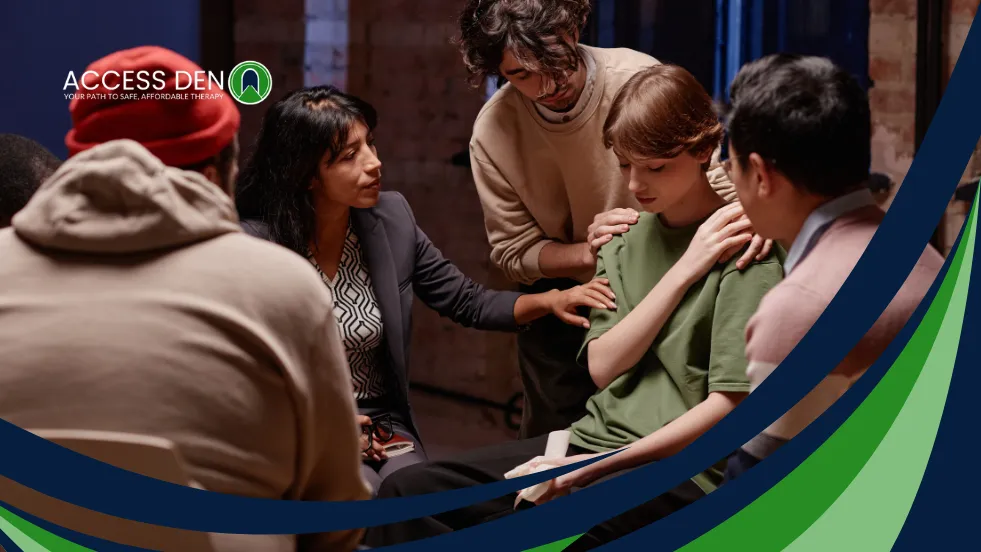
New Blog PostUnlock Mental Strength: How Seeking Support Makes You Stronger
Redefining Mental Strength: The Power of Connection
Have you ever been told to “be strong” when life gets hard? For many of us, those words have been drilled into our minds from childhood. Strength, we’re told, means keeping it together, hiding the tears, and pushing forward no matter what. Over time, that rigid definition can become a heavy mask, forcing us to carry our struggles silently, pretending everything is okay even when it’s not. We might feel ashamed for needing help or guilty for showing vulnerability, internalizing the belief that endurance alone defines our worth. This approach can leave us emotionally isolated, exhausted, and disconnected from both ourselves and others.
But here’s the truth: mental strength is not measured by how much you can endure on your own. True strength lies in understanding yourself, acknowledging your limits, and having the courage to reach out when you need support. It’s about embracing vulnerability, recognizing that expressing emotions and asking for help are not weaknesses, but powerful steps toward resilience and personal growth. Real strength also involves self-awareness, honoring your feelings, setting healthy boundaries, and giving yourself permission to pause, rest, and process without guilt.
Developing mental strength through connection allows you to navigate life’s challenges more effectively. When we allow trusted friends, family, or professionals to walk alongside us, we gain perspective, validation, and encouragement, all of which reinforce our inner resilience. By leaning into support rather than shouldering burdens alone, we create a foundation for emotional healing, healthier relationships, and sustainable well-being.
In this blog, we’ll explore what authentic mental strength looks like, why asking for help is a critical skill for building resilience, and how nurturing inner strength through connection can transform your life. We’ll discuss how to let go of outdated beliefs about toughness, how to integrate vulnerability into daily life, and how to cultivate a sense of empowerment that doesn’t rely on enduring in silence. If you’ve ever felt that being “strong” meant doing everything on your own, this blog will guide you toward a healthier, more sustainable perspective, one where courage and connection coexist, and where asking for help becomes a source of strength rather than shame.
What True Mental Strength Looks Like
Many people grow up believing that mental strength means never breaking down, never admitting weakness, and always pushing through challenges alone. While this “tough it out” mindset might seem admirable on the surface, it often leaves us feeling trapped, drained, and disconnected from ourselves. Carrying everything alone isn’t strength, it’s survival mode, and it can prevent you from truly healing, learning, and growing. Over time, ignoring your emotions or refusing support can lead to burnout, anxiety, and a sense of isolation.
True mental strength is very different. It’s not about pretending you’re invincible or shouldering every burden alone. Instead, it’s about being flexible, self-aware, and willing to grow. It’s having the courage to face life’s difficulties without losing sight of your values, your limits, or what matters most to you. Sometimes true strength looks like standing tall in the storm; other times, it’s knowing when to rest, seek guidance, or admit that you don’t have all the answers. Strength also involves learning from mistakes, practicing self-compassion, and finding ways to adapt rather than simply endure.
Some key signs of real mental strength include:
Willingness to ask for help when life feels overwhelming: Recognizing that support is a tool, not a weakness, and reaching out when needed.
Openness to feedback and growth, even when it’s uncomfortable: Learning from experiences, mistakes, or differing perspectives instead of resisting change.
The courage to embrace vulnerability without shame: Sharing your feelings, admitting fears, and expressing needs honestly.
Knowing when to rest instead of pushing yourself into exhaustion: Honoring your body and mind by taking breaks and prioritizing self-care.
Setting healthy boundaries to protect your time, energy, and well-being: Saying no when necessary, prioritizing your needs, and maintaining balance in relationships and responsibilities.
Ability to reflect and adapt during challenges: Using setbacks as opportunities to grow rather than seeing them as failures.
Maintaining consistency and resilience over time: Facing stressors repeatedly and learning to recover without letting difficulties define you.
When we redefine strength in this way, we move away from the outdated idea that silence, denial, or pushing past our limits equals power. Real strength is about balance, self-compassion, and intentional action. It’s about knowing that asking for help, setting limits, and processing emotions are not signs of weakness, they are evidence of courage. Developing this kind of mental strength not only helps you survive life’s challenges but also builds lasting emotional resilience, empowering you to face the future with confidence, clarity, and a sense of inner stability.

Why Asking for Help Builds Emotional Resilience
Many people hesitate to ask for help because they fear it signals weakness, incompetence, or dependence. Society often equates independence with strength, making vulnerability feel uncomfortable or even shameful. But in reality, asking for help is one of the bravest and most empowering things you can do for yourself. It demonstrates self-awareness, courage, and a commitment to your own growth and well-being.
When you reach out, whether to a trusted friend, mentor, family member, or therapist, you create space for perspective, guidance, and emotional support. You invite others to walk alongside you, reducing feelings of isolation and reminding yourself that you do not have to carry burdens alone. This collaborative approach strengthens your ability to cope with stress, process challenges more effectively, and respond to setbacks with clarity rather than panic.
Emotional resilience grows not by avoiding struggles, but by learning to face them, adapt, and recover. Think of resilience like a muscle: the more you exercise it through connection, reflection, and seeking support, the stronger it becomes. Each time you open up about your struggles or ask for help, you practice trust, reinforce healthy coping strategies, and prove to yourself that you can navigate difficult situations. Over time, these experiences accumulate, giving you a toolkit of emotional strength that allows you to face life’s challenges with confidence and composure.
Asking for help also fosters self-compassion. When you recognize that seeking support is a sign of wisdom rather than weakness, you challenge internalized pressures to “do it all alone” and affirm that your feelings and needs are valid. This mindset not only enhances resilience but also promotes healthier relationships, as you learn to communicate your needs effectively and build connections rooted in mutual care and respect.
Ultimately, reaching out for help is a transformative practice. It teaches you that strength is not measured by endurance in isolation, but by your ability to engage with others, adapt to challenges, and recover while maintaining a sense of balance and self-worth. Every time you take the step to seek support, you are actively building the foundation of lasting emotional resilience.
Embracing Vulnerability as a Path to Inner Strength
For many people, vulnerability feels uncomfortable, even risky. It can bring up fears of being judged, misunderstood, or rejected. That’s why so many of us put on emotional armor, hoping that if we appear strong enough, no one will see the cracks. But the truth is, without vulnerability, there can be no authentic healing. To embrace vulnerability means allowing yourself to be seen fully, struggles, fears, hopes, dreams, and all the messy in-betweens.
It might seem surprising, but showing vulnerability is actually where true inner strength begins. Here’s why:
It fosters trust and deeper relationships. When you open up honestly, others are more likely to meet you with understanding and compassion.
It helps release shame and self-criticism. Hiding pain only reinforces the belief that something is “wrong” with you. Vulnerability breaks that cycle.
It opens the door to genuine emotional connection. Letting people in allows love, empathy, and support to reach you.
It teaches you that you don’t have to carry burdens alone. Asking for help becomes a bridge to shared strength and community care.
It builds resilience. Every time you allow yourself to be vulnerable and survive it, you prove to yourself that openness is not weakness, it’s courage.
When you allow yourself to be vulnerable, you’re not weakening your armor, you’re strengthening your foundation. Vulnerability says, “I’m human, and that’s enough.” And that authenticity fuels resilience in ways isolation never can. By embracing vulnerability, you step into a truer version of mental strength, one that balances courage with compassion, and openness with growth.
Redefining Strength: A New Way Forward
We live in a culture that often glorifies “toughing it out,” equating mental strength with endurance, silence, and never showing vulnerability. While perseverance has its place, this narrow view can leave us carrying unnecessary burdens, hiding our struggles, and believing that asking for help makes us weak. True mental strength requires letting go of these harmful myths and embracing a more balanced, compassionate approach.
Redefining strength means moving away from the idea that silence equals bravery or that pushing through pain alone is admirable. Instead, it’s about recognizing that we grow stronger through openness, connection, and self-awareness. Strength comes from being honest about your needs, seeking support when necessary, and actively investing in your personal and emotional growth. It’s about resilience that is sustainable, not just endurance that risks burnout.
Here are some practical ways to redefine strength in your own life:
Shift your mindset: Asking for help is a sign of self-awareness and courage, not weakness. Seeking guidance from friends, mentors, or professionals allows you to process challenges more effectively and grow from them.
Value progress over perfection: Celebrate small wins, even incremental steps. Growth is rarely linear, and acknowledging your efforts helps reinforce confidence and resilience.
Set realistic expectations: Healing and personal development take time. Allow yourself patience, and avoid comparing your journey to others. Accept that setbacks are part of the process.
Invest in relational healing: Surround yourself with people who uplift, support, and challenge you in healthy ways. Strong relationships provide perspective, encouragement, and emotional safety.
Practice self-compassion: Treat yourself with the same kindness and understanding you would offer a friend. Recognize your efforts and honor your limits.
Learn from vulnerability: Sharing your struggles and being open about your feelings is a powerful act of strength that builds deeper connections and emotional resilience.
By changing how we define strength, we give ourselves permission to heal, grow, and navigate life in healthier, more sustainable ways. Redefining strength is not about doing less; it’s about doing more, more intentionally, more compassionately, and more authentically. Over time, this approach fosters resilience, confidence, and the ability to face challenges without losing sight of your well-being or personal values.

Building Resilience Through Connection and Care
No one thrives alone. In every aspect of life, personal, academic, or professional, our resilience grows stronger when we allow others to be part of our journey. Humans are naturally wired for connection, and leaning on others during both highs and lows is not a sign of weakness; it’s a form of wisdom. Strength is not measured by isolation but by the ability to recognize when support can help us grow, heal, and persevere.
At Access Den, we witness this truth every day. Clients discover peace, clarity, and direction through therapy. Students expand their skills and potential through hands-on learning experiences. Interns gain confidence and competence through mentorship and supervision. These stories remind us that resilience is not built in isolation, it is nurtured in community, through relationships that provide encouragement, accountability, and challenge us to become our best selves.
Here are some meaningful ways to strengthen emotional resilience through connection:
Join peer communities: Sharing your story and hearing the experiences of others creates validation, belonging, and a sense of shared humanity. Knowing you’re not alone in your struggles reduces feelings of isolation and increases confidence.
Engage in mentorship or supervision: Learning from someone who has navigated similar challenges helps you avoid common pitfalls, gain perspective, and build confidence in your own abilities. Guidance is a tool for growth, not dependency.
Seek therapy as a safe space for reflection and healing: Professional support allows you to process emotions, reframe challenges, and develop practical coping strategies. Therapy provides structure and insight, giving you tools to strengthen resilience over time.
Celebrate progress with others: Recognizing milestones, whether big or small, alongside people who cheer you on reinforces motivation, gratitude, and self-belief. Shared joy amplifies the sense of accomplishment and fuels further growth.
Practice reciprocity: Resilience is not just about receiving support; it also grows when you support others. Helping someone else, mentoring a peer, or offering encouragement strengthens your own sense of purpose and connectedness.
Every connection becomes a stepping stone, helping you build resilience that lasts a lifetime. When you open yourself to healthy, supportive relationships, you remind yourself that true strength is not standing alone, it’s thriving together. Community, care, and shared growth are the foundations of lasting emotional resilience, helping you face challenges with courage, adaptability, and confidence.
Access Den: Supporting Your Journey to Mental Strength
At Access Den, we’re more than just a mental health organization, we’re a bridge between healing and growth. Our mission is to make care accessible while shaping the next generation of professionals who will continue this work. Through affordable therapy, student support programs, and structured supervision, we create spaces where people can explore their challenges, strengthen their mental health, and discover their own inner strength.
What sets us apart is our dual commitment: supporting clients on their personal healing journey while preparing interns and students for careers in mental health. By combining real-world experience with expert guidance, we ensure both clients and future professionals benefit from a system built on compassion, resilience, and trust.
Whether you’re seeking support for yourself, considering an internship, or preparing for a career in mental health, Access Den is here to walk with you. Together, we help you step into a stronger, healthier version of yourself, one that embraces mental strength, builds resilience, and thrives through connection.
Take the First Step Toward Lasting Resilience
If you’re ready to embrace vulnerability, grow your emotional resilience, and strengthen your inner self, Access Den is here to support you. Explore our affordable therapy services, internships, and programs designed to empower both personal healing and professional growth. Contact us at Access Den today and take your first step toward building resilience that lasts.
Source: @Access.Den.Therapy